Avoid Illegal Dumping Fines in Hounslow: What You Must Know

If you are trying to clear rubbish quickly in Hounslow, it is easy to make a rushed choice and end up with a serious problem. Illegal dumping fines are not just a headache for fly-tippers; they can affect homeowners, landlords, tenants, builders, and business owners who pass waste to the wrong person or leave it somewhere it should not be. This guide to Avoid Illegal Dumping Fines in Hounslow: What You Must Know explains what counts as unlawful disposal, how to stay on the right side of local expectations, and how to organise waste removal in a way that feels simple rather than stressful. Truth be told, a lot of avoidable trouble starts with one small shortcut.
Whether you are clearing a flat, emptying a garage, or dealing with builders' waste after a busy weekend of work, the stakes are higher than most people think. Below, you will find a practical breakdown of the risks, the best habits to adopt, and the sensible options that keep your waste moving legally. And yes, the boring bits matter here. They really do.
Why Avoid Illegal Dumping Fines in Hounslow: What You Must Know Matters
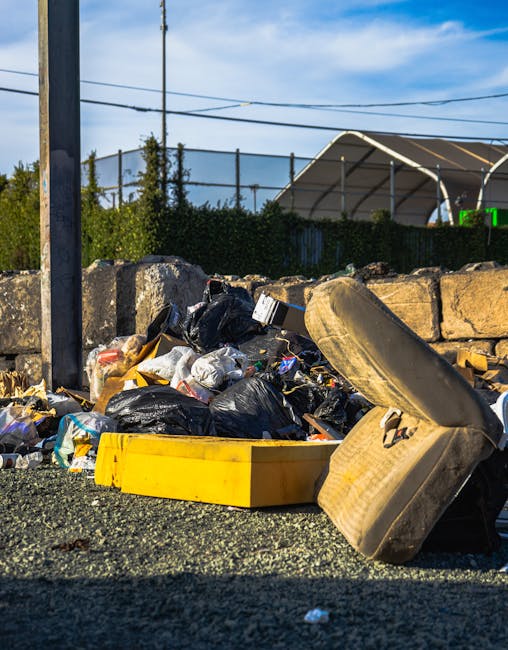
Illegal dumping, often called fly-tipping, is a problem because waste can end up on pavements, alleyways, verges, shared bins, private land, or even beside someone else's property. Once it is there, the cleanup usually falls on someone who did not create the mess. That means time lost, money spent, and a very avoidable bit of stress. In a busy borough like Hounslow, where homes, flats, small businesses, and building projects sit close together, a single bad disposal decision can create trouble for several people at once.
What catches many people out is the assumption that "someone else is taking care of it." A van arrives, the rubbish disappears, and everybody relaxes. Then the waste is found dumped round the corner, or the person collecting it has no proper disposal route. That is where fines, complaints, and awkward conversations begin. To be fair, most people are not trying to do the wrong thing. They just want rid of the clutter without turning it into an issue.
There is also a reputation angle. If waste from a home, shop, refurbishment job, or rented property is traced back to you, it can reflect badly even if you did not physically leave it on the street. Hounslow residents and businesses often need to show that waste was handled carefully, especially when dealing with bulky items, renovation rubble, office furniture, or mixed waste that cannot simply go in a household bin. Good disposal habits are not just tidy; they are protective.
How Avoid Illegal Dumping Fines in Hounslow: What You Must Know Works
The simplest way to think about it is this: waste should always go to a legitimate destination, through a legitimate route, with a clear understanding of who is responsible. If you hand rubbish to someone and they dump it illegally, you may still have questions to answer if you did not check who they were or how they would dispose of it.
In practice, avoiding fines means doing three things well:
- Identifying the waste correctly - is it household clutter, office waste, garden cuttings, builder's rubble, furniture, or something that needs special handling?
- Choosing a lawful collection or disposal route - one that moves the waste to a proper facility rather than leaving it in a layby or on a patch of land where it should not be.
- Keeping evidence of responsible disposal - for example, invoices, booking details, and any documentation a reputable waste provider gives you.
That final point matters more than people realise. If you ever need to show that you took reasonable steps, the paper trail can make a real difference. You do not need to become a compliance nerd about it, but you do need enough information to prove the waste was handled properly. A receipt tucked in a drawer can save a lot of noise later. Strange, but true.
For larger clearances, it is usually safer to use a service that handles collection, sorting, and disposal as a complete process. If you are clearing a home, for example, a proper home clearance or house clearance arrangement is often less risky than trying to coordinate separate pickups, skips, and hand-offs yourself. Likewise, if you are moving equipment out of a workplace, a planned office clearance or business waste removal service can be a lot cleaner from a compliance point of view.
Key Benefits and Practical Advantages
A careful approach to waste disposal is not only about avoiding a fine. It also tends to make the whole job calmer, quicker, and less messy. You know where items are going. You know who is dealing with them. And you are far less likely to have that horrible "what if" feeling later on.
- Lower legal risk - you reduce the chance of being linked to fly-tipping or improper disposal.
- Cleaner property management - useful if you are a landlord, letting agent, homeowner, or business owner.
- Better neighbour relations - no piles left outside, no bags in shared spaces, no unpleasant surprises by the bins.
- More predictable costs - planned removal is usually easier to budget for than dealing with a mess after the fact.
- Less personal stress - you are not left wondering whether the waste will reappear somewhere down the road.
There is also a sustainability benefit. Many reputable waste services sort items so that recyclable materials can be separated from general rubbish. That is one reason some people prefer a service that talks clearly about its approach to recycling and sustainability. It does not make the job glamorous, obviously, but it makes it more responsible. And in practical terms, that matters.
When the job involves awkward items like worn sofas, broken wardrobes, or old office desks, using a proper collection route is often the difference between "done" and "problem later." If you need a targeted option, furniture clearance or furniture disposal can be a sensible fit for bulky pieces that are difficult to move safely or legally on your own.
Who This Is For and When It Makes Sense
This topic is relevant to far more people than you might expect. If you are sitting on a pile of waste and thinking, "I just need this gone," you are in the right place. The biggest risk usually comes from not matching the disposal method to the type of waste.
Here is who should pay close attention:
- Homeowners clearing lofts, garages, gardens, or full properties.
- Tenants and flat residents who need to dispose of bulky items without leaving them in communal areas.
- Landlords and letting agents dealing with end-of-tenancy clutter, abandoned furniture, or mixed rubbish.
- Builders and renovators managing plaster, timber, broken fittings, and other construction debris.
- Business owners disposing of office furniture, stock, packaging, or archived materials.
- Gardeners and property managers needing lawful disposal for cuttings, soil, and green waste.
It makes especially good sense when the job is too large for normal bins, too awkward for a car boot, or too time-sensitive to keep sitting around. A half-cleared garage can turn into a fly-tipping risk fast, particularly if items are left by a street fence or near a shared entrance. You know the scene: one bag becomes three, then a broken chair shows up, then a neighbour frowns. Better to deal with it once, properly.
For more specific situations, services like garage clearance, loft clearance, garden clearance, and builders waste clearance can reduce the chance of waste being left in the wrong place while you figure out what to do next.
Step-by-Step Guidance
If you want to avoid illegal dumping fines in Hounslow, the safest path is to slow down just enough to make one decent plan. Not a grand plan. Just a sensible one.
- Sort the waste before anything moves. Separate furniture, household rubbish, green waste, construction debris, and anything that may need special handling. A mixed pile is where confusion starts.
- Check who is collecting it. Ask how the waste will be removed, where it will go, and whether the collector is handling transport and disposal lawfully. If the answer sounds vague, that is a warning sign.
- Use a suitable service for the job. A flat clearance is not the same as rubble removal, and office furniture is not the same as garden cuttings. Match the service to the waste. It saves hassle.
- Keep your paperwork. Save booking confirmations, receipts, and any written details. If a dispute ever arises, you will be glad you kept them.
- Don't leave items outside "just for a bit." That little bit can turn into a problem very quickly, especially in shared residential areas.
- Confirm final disposal responsibility. The person or company handling the waste should not be leaving you guessing. If they cannot explain the process clearly, walk away.
Here is a small but useful reality check: most waste issues happen at the handover stage. That is the moment when a well-meaning person thinks, "It'll be fine." Sometimes it is. Sometimes it is absolutely not. So ask the awkward question now rather than after the fact. Saves grief.
If you are managing a property with a lot of bulky or awkward items, a planned clearance through flat clearance or house clearance may be easier than piecemeal disposal. It keeps the waste moving in one controlled go instead of in little risky piles.
Expert Tips for Better Results
In our experience, the people who avoid problems are not the ones who know every detail of waste law. They are the ones who stay organised and ask a few clear questions early. Simple, but effective.
- Take a quick inventory first. A two-minute note on your phone about what needs to go helps prevent missed items and duplicate trips.
- Photograph larger piles. Useful for quotes, planning, and keeping a record of what was present before removal.
- Be clear about access. Narrow hallways, top floors, loading restrictions, and parking issues can change the way a clearance should be arranged.
- Ask about recycling separation. It is a good sign when the provider can explain how reusable or recyclable items are handled.
- Schedule sooner rather than later. Waste sitting around tends to multiply. Funny how that happens.
Another useful habit is checking a provider's wider service information, not just the bit that promises a quick collection. A company that explains its health and safety policy and insurance and safety approach is usually taking the job seriously. That does not guarantee perfection, but it is a reassuring sign. You want fewer surprises, not more.
For business users, it is also worth considering whether the waste stream is mixed, confidential, or office-specific. A structured office clearance can help you avoid leaving files, electronics, or broken furniture in a way that creates extra risk. And if you are a business handling regular waste, business waste removal is often a better fit than ad hoc disposal.
Common Mistakes to Avoid
A lot of illegal dumping problems do not start with bad intentions. They start with shortcuts. The list below may look obvious, but these are exactly the decisions people make when they are busy, tired, or trying to save a few quid.
- Using an unverified collector because the price looks quick and easy.
- Leaving waste beside communal bins and hoping someone else sorts it out.
- Assuming all rubbish can go together when different waste types may need different handling.
- Not keeping a receipt or booking record after collection.
- Dumping items "temporarily" on private land, near a wall, or by a road edge.
- Ignoring access issues and causing waste to be abandoned halfway through the job.
One particularly common slip is forgetting that the cheapest quote is not always the cheapest outcome. If the waste ends up dumped, fly-tipped, or mixed up badly, the original saving can vanish in a hurry. That's the part people remember later, usually with a sigh and a tea in hand.
Another issue is treating garden waste or builders' rubble as if it is the same as household junk. It often is not. Heavy, dusty, sharp, or awkward materials usually need more careful planning, which is why waste removal should be matched to the actual contents rather than guessed from a photo and a vague description.
Tools, Resources and Recommendations
You do not need much to stay organised, but a few simple tools make the whole process easier. Nothing fancy. Just enough structure to avoid a muddle.
- Your phone camera for photographing items before collection.
- Basic notes app for listing rooms, item types, and access details.
- Labels or tape for marking what stays and what goes.
- Measurement notes for bulky items, stair access, or awkward furniture dimensions.
- A folder for paperwork so receipts and confirmations do not vanish into the usual household paper chaos.
Recommended approach: start with the waste type, not the service name. Then decide whether you need a targeted clearance or a broader property clean-out. If you are dealing with a tired sofa, old tables, or mixed household pieces, furniture clearance may be the neatest option. If you are dealing with a full property reset, home clearance or house clearance may be more practical.
For readers who want to compare options before booking, pricing and quotes can help frame the decision. And if you want to know more about the people behind the service, the about us page is a sensible place to start. Small detail, but it builds trust.
Law, Compliance, Standards and Best Practice
It is worth saying this carefully: waste disposal is a compliance issue, but the exact legal position depends on the waste type, how it is handled, and who is responsible at each stage. So rather than treating this as a rigid one-rule-fits-all matter, think of it as a responsibility chain. If you create the waste, arrange the collection, or authorise someone else to remove it, you should be confident it is going to a lawful place.
Best practice in the UK generally means using a waste carrier or clearance provider that can explain its process clearly, keeps proper records, and does not leave you guessing about what happens next. If you are the person arranging disposal, being able to show that you checked the provider, kept the paperwork, and acted reasonably is a practical protection. In plain English: do not hand waste to somebody and hope for the best.
Hounslow residents and businesses should also be mindful of local nuisance issues. Rubbish left in communal hallways, front gardens, service yards, or on the street can attract complaints quickly. That can trigger enforcement attention, neighbour disputes, or a clean-up cost. The safest approach is always to keep waste on your property only for as long as needed, and never longer than that. Short and sweet.
There are also wider ethical and operational standards to think about. Responsible disposal should support recycling where possible, prevent contamination of good materials, and avoid passing harm to someone else. If the provider is open about its recycling and sustainability approach, that usually signals a more thoughtful operation.
Options, Methods, or Comparison Table
Different types of waste need different handling. Here is a simple comparison to help you decide which route is most sensible.
| Option | Best for | Main advantage | Main risk if handled badly |
|---|---|---|---|
| DIY disposal | Very small, manageable amounts | Flexible if you already have transport | Wrong disposal point, multiple trips, poor documentation |
| Household-style clearance | Mixed domestic clutter, furniture, general items | Simple for larger domestic jobs | Items left outside or not sorted properly |
| Business or office waste collection | Workplace rubbish, desks, chairs, packaging, archives | More controlled and suitable for commercial needs | Confidential or bulky waste mishandled |
| Builders' waste clearance | Rubble, timber, renovation debris | Better fit for heavy, awkward materials | Overloading bins or leaving debris on site |
| Garden clearance | Cuttings, soil, branches, outdoor clutter | Keeps outdoor spaces tidy and safe | Green waste dumped or left to blow around |
If you are still unsure, ask yourself one question: would I be comfortable explaining exactly where this waste is going and who is taking responsibility for it? If the answer is no, it probably needs a better plan.
Case Study or Real-World Example
Imagine a landlord in Hounslow who needs to clear a first-floor flat after tenants move out. The place has a broken bed frame, an old sofa, a pile of mixed bags, and a few bits of furniture that won't fit into normal bins. The easy mistake would be to leave items in the communal entrance for "later" while trying to arrange the rest. But later turns into two days, then a complaint, then someone else moving the items into a corner. Not ideal.
Instead, the landlord arranges a proper flat clearance, keeps a record of the booking, and makes sure the items are removed in one visit. The access is tight, the staircase is a bit awkward, and there is that lovely smell of old carpet and dust that every clear-out seems to have. Still, the waste is handled properly, the communal area stays clear, and there is no guesswork about who took what.
Another example: a small business upgrades its office furniture and wants to get rid of old desks, chairs, and packaging. If the team leaves the items behind the premises or outside the unit, they create avoidable risk. If they book an office clearance or broader business waste removal service, the waste moves through a documented route, the site stays tidy, and the manager can get on with the actual work. Sensible, really.
Practical Checklist
Use this checklist before any clearance or waste handover.
- Have I identified the type of waste correctly?
- Have I separated bulky items, general rubbish, garden waste, and builders' debris?
- Do I know who is collecting it and where it is going?
- Have I checked the service is appropriate for the waste type?
- Have I saved the booking confirmation or receipt?
- Have I kept waste off the street, pavement, or communal area?
- Have I considered access, parking, and lifting safety?
- Have I asked about recycling or item sorting where relevant?
- Would I be able to explain my disposal decision if someone asked later?
- Is there anything unusually heavy, sharp, confidential, or awkward that needs special handling?
If most of those answers are clear, you are in good shape. If not, pause and tidy up the plan before anything leaves the property. That little pause can save a lot of faff.
Get a free quote today and see how much you can save.
Conclusion
Illegal dumping fines in Hounslow are easiest to avoid when you treat waste disposal as a process, not a last-minute scramble. Sort the waste, choose the right removal route, keep your records, and make sure items are going to a proper destination. It sounds plain, because it is plain. But plain habits are often the ones that keep people out of trouble.
Whether you are clearing a home, managing a business premises, or dealing with builder's debris, the safest option is the one that leaves no doubt about responsibility. And once the rubbish is gone the right way, the relief is immediate. The place feels lighter. Quieter, even. That's the good bit.
Take your time, ask the right questions, and choose the route that protects both your property and your peace of mind. Simple enough. And a bit of care now can spare you a lot later.
Frequently Asked Questions
What counts as illegal dumping in Hounslow?
Illegal dumping usually means leaving waste where it should not be, or passing it to someone who disposes of it unlawfully. That can include bags left on pavements, items dumped beside bins, or rubbish abandoned on private land or roadside areas.
Can I be fined if I hire someone else to take my rubbish away?
Potentially, yes, if you do not take reasonable steps to check who is removing the waste and how they will handle it. Keeping receipts and using a reputable provider is a sensible safeguard.
Do I need paperwork for a small house clearance?
Even for smaller jobs, keeping a receipt or booking confirmation is a good idea. It is a simple way to show that you arranged disposal responsibly.
Is it safer to use a clearance service than to dump items at the roadside for collection later?
Absolutely. Leaving items out can create nuisance, attract complaints, or be treated as unlawful disposal if done incorrectly. A proper clearance keeps the process controlled.
What should I do with bulky furniture?
Use a suitable furniture or household clearance option rather than trying to leave it in communal spaces or on the street. Bulky items are one of the most common causes of mess and misunderstanding.
How do I know a waste provider is legitimate?
Ask how they handle collection and disposal, check whether they can explain the process clearly, and keep the paperwork they give you. Good providers are usually straightforward about this.
What happens if waste from my property is fly-tipped by someone else?
If you can show you took reasonable steps, that helps. Keep records, confirm who collected the waste, and use a proper service. Without that, proving your side is harder.
Are garden and builders' waste treated the same as household rubbish?
No. Garden waste and builders' waste often need different handling because of volume, weight, or material type. It is better to match the service to the waste stream.
Why is keeping a receipt so important?
Because it provides a simple record of what was booked and who handled it. If there is ever a dispute or question, that little slip of paper can matter more than expected.
What is the best way to avoid illegal dumping fines entirely?
The best approach is to use a lawful disposal route, avoid leaving waste anywhere it should not be, and keep clear proof that you acted responsibly. It is not complicated, just worth doing properly.
Do businesses need to be more careful than households?
In practice, yes. Businesses often generate mixed waste, office furniture, packaging, or confidential material, so they should be especially careful about using the right removal route and keeping records.
When should I book a full clearance instead of handling waste myself?
If the waste is bulky, mixed, heavy, or time-sensitive, a professional clearance is usually the safer and less stressful option. It is especially useful for homes, flats, garages, lofts, and offices.