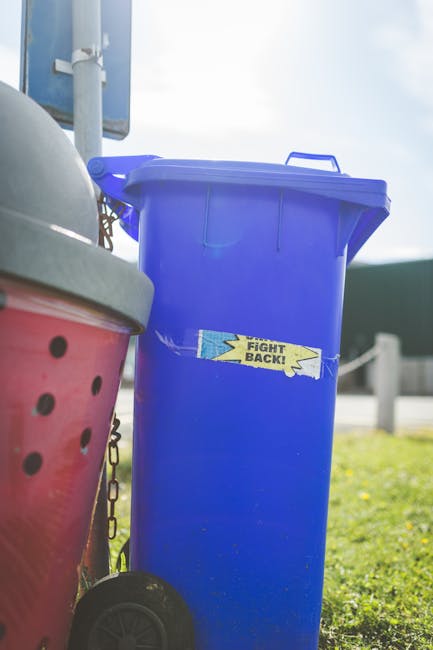
Hounslow Lampton Road Rubbish collection guide for residents
If you live near Lampton Road, rubbish can pile up faster than you expect. A missed bin day, a broken wardrobe, a flat move, a bit of garden cuttings after a wet weekend - and suddenly the hallway feels smaller, the back room is doing all the heavy lifting, and you are wondering what to do next. This Hounslow Lampton Road Rubbish collection guide for residents is here to make the whole process clearer, calmer, and far less irritating.
In plain English, this guide explains how local rubbish collection usually works for residents, what to check before putting waste out, how to deal with bulky items, and when a dedicated clearance service makes more sense. It also covers common mistakes, local best practice, and a few sensible ways to save time without creating extra hassle later. Let's face it, nobody wants to drag a heavy sofa downstairs twice.
Table of Contents
- Why this matters for Lampton Road residents
- How the collection process works
- Key benefits and practical advantages
- Who this is for and when it makes sense
- Step-by-step guidance
- Expert tips for better results
- Common mistakes to avoid
- Tools, resources and recommendations
- Law, compliance, standards, and best practice
- Options, methods, and comparison table
- Case study / real-world example
- Practical checklist
- Conclusion
- Frequently asked questions
Why Hounslow Lampton Road Rubbish collection guide for residents Matters
Rubbish collection sounds simple until you are the one sorting it. On a busy road like Lampton Road, the practical realities matter: shared access, tighter frontages, neighbour awareness, parking constraints, and the basic need to keep pavements and entrances clear. A small mistake can become a bigger problem very quickly. Bags split. Food waste smells. Cardboard blows around. And if a bulky item is left out in the wrong way, it can become an eyesore or even an obstruction.
This guide matters because it helps residents make better decisions before waste becomes a nuisance. That is good for households, good for neighbours, and good for the street as a whole. It also reduces the chance of missed collections, avoidable extra trips to disposal points, or ending up with items that need separate handling. In our experience, the people who plan waste removal properly spend less time worrying and more time getting on with life.
Expert summary: the best rubbish collection plan is usually the one that keeps waste sorted early, avoids overfilling, and matches the type of rubbish to the right disposal method.
How Hounslow Lampton Road Rubbish collection guide for residents Works
For most residents, rubbish collection starts with the ordinary household setup: bins, recycling containers, and scheduled collection days. The important part is not just what goes out, but how it goes out. Waste needs to be presented in a way that can be collected safely and efficiently. That means the right containers, the right timing, and the right separation of materials.
Typical waste streams include general household rubbish, recycling, food waste, garden waste, and bulky items. Each one behaves differently. A bag of mixed household waste is one thing; a wet mattress, a dismantled desk, or broken fencing is something else altogether. If the item is large, heavy, awkward, or likely to create a safety issue, a standard bin collection may not be suitable.
Residents also need to think about access. On streets like Lampton Road, where access and parking can be tight at peak times, collections work best when waste is placed clearly and legally, without blocking paths, driveways, or shared entrances. If you are using a professional clearance service, you will also want to prepare items in advance so the collection can be done efficiently and without confusion.
For people with bigger clear-outs, a broader service such as waste removal or a more specific option like house clearance may be the smarter route. That is especially true if the rubbish is mixed, bulky, or simply too much for a normal bin day. Sometimes the straightest path is the cleanest one.
Key Benefits and Practical Advantages
Done properly, rubbish collection is one of those jobs that quietly improves everything else. Your home feels easier to live in. The hallway stops being a storage area in disguise. Neighbours are less likely to be annoyed by stray bags or broken furniture. And you avoid the annoying cycle of putting things out, taking them back in, and trying again next week.
- Cleaner living space: waste leaves sooner, so the home feels calmer and more usable.
- Less stress around collection day: you know what can go out, what needs separating, and what needs another route.
- Better recycling outcomes: cleaner sorting usually means better reuse and recovery.
- Reduced risk of complaints: fewer overfilled bags and less clutter on shared streets.
- Safer handling: heavy or sharp items are managed more sensibly.
There is also a practical time-saving benefit. If you already know that your waste includes a mix of old furniture, loft clutter, and general rubbish, it may be simpler to plan a one-off clearance instead of trying to break it into several smaller jobs. A quick look at home clearance or furniture disposal can help you judge what route is most suitable. Not glamorous, granted, but effective.
Who This Is For and When It Makes Sense
This guide is useful for a lot of different residents, not just people with a mountain of bin bags. If you live in a flat, a converted house, a terraced property, or a family home near Lampton Road, you will probably recognise at least one of these situations.
- People moving home: a move always reveals more rubbish than expected.
- Families with limited storage: bulk packaging, broken toys, and old furniture build up fast.
- Renters between tenancies: leaving a property tidy can matter to both landlords and agents.
- Older residents downsizing: sorting decades of belongings can be emotionally and physically tiring.
- DIY households: renovation offcuts, packaging, and broken fixtures often need special handling.
It also makes sense when the waste is not just ordinary household rubbish. A single mattress, a sagging wardrobe, or a garage full of mixed clutter may call for a more tailored service. If the job is outdoors, you might find garden clearance useful; if it is a loft packed with old bits and pieces, loft clearance may be the better fit. You do not have to force everything into the same box.
Step-by-Step Guidance
The easiest way to handle rubbish collection is to work through it in a calm order. Rushing usually creates extra mess. Here is a straightforward process that residents can follow.
- Identify the waste type. Separate general household rubbish, recycling, bulky items, food waste, and anything sharp, heavy, or awkward.
- Check what should not go in normal collection. Items such as electricals, paint, plasterboard, mattresses, and certain bulky items may need special arrangements.
- Estimate volume. One or two bags are very different from half a room of clutter. Be realistic.
- Decide whether collection day is enough. If the waste is light and well sorted, standard collection may be fine. If not, consider a dedicated clearance.
- Prepare access. Make sure waste can be reached safely without blocking entryways or shared paths.
- Pack and present it properly. Use strong bags, secure loose items, and keep sharp objects wrapped or boxed.
- Arrange the right service if needed. For mixed or larger loads, a professional option such as waste removal can save time and lifting.
A small tip that sounds obvious only after you have done it wrong: weigh up the awkward items first. The heavy chest of drawers in the spare room is often what throws the whole plan off. Get that out of the way and the rest feels manageable. Funny how that works.
Expert Tips for Better Results
Good rubbish management is less about effort and more about order. A few practical habits make a noticeable difference.
- Sort early, not the night before: doing it in one frantic burst usually leads to mistakes.
- Keep mixed waste to a minimum: separating materials improves collection and recycling potential.
- Break down large items where safe: flat-pack furniture, cardboard, and some soft furnishings are easier to move when reduced in size.
- Protect floors and walls: dragging heavy waste through a narrow hallway is where minor damage happens.
- Think about timing: a wet Tuesday morning is not the same as a dry Saturday afternoon. Small difference, big effect.
If the items are still usable, consider keeping them separate from true rubbish. Reuse and disposal are not the same thing, and it is worth treating them differently. Services such as furniture clearance are especially useful when some items are still in decent condition but no longer fit your space. A sofa can be perfectly fine and still wrong for your home. Happens all the time.
Common Mistakes to Avoid
Most rubbish problems come from a handful of avoidable mistakes. If you dodge these, you are already ahead of the game.
- Overfilling bags: overstuffed bags split easily and create litter.
- Leaving waste out too early: this can create a mess, attract attention, or cause friction with neighbours.
- Mixing hazardous or restricted items into general rubbish: this is a safety issue, not just an admin issue.
- Forgetting access restrictions: a collection is only easy if collectors can actually reach the waste.
- Underestimating bulky waste: one old wardrobe can be more trouble than five bin bags.
- Ignoring wet weather: cardboard, paper, and loose items get messy fast.
Another common one: people assume everything can just be chucked in a skip or left at the kerb. Not quite. Different waste types require different handling, and if you are dealing with builders' debris, a targeted service like builders waste clearance may be more appropriate than standard household rubbish collection. The right choice saves both time and hassle.
Tools, Resources and Recommendations
You do not need much in the way of equipment, but a few basic tools make rubbish collection far smoother.
- Heavy-duty sacks: useful for mixed household waste and sharp-edged packaging.
- Marker pens or labels: handy for separating reuse, recycling, and disposal piles.
- Gloves: simple, but worth it when sorting old loft clutter or garden waste.
- Trolley or sack barrow: helpful for heavier loads and awkward lifting.
- Dust sheets and cleaning cloths: useful if you are clearing furniture or dusty stored items.
For residents comparing service quality and expectations, it can also help to review practical pages such as pricing and quotes, recycling and sustainability, and insurance and safety. Those pages are useful because they tell you what to expect before you book anything. That kind of prep is boring, yes, but very useful.
If you want to understand the people behind the service, about us gives helpful background too. Trust matters when strangers are handling items from your home, and it is fair to check that before moving forward.
Law, Compliance, Standards, or Best Practice
For residents, the main thing is to follow safe, lawful, and responsible waste-handling habits. That usually means using the right collection method, not obstructing public walkways, and avoiding the dumping of restricted items with general refuse. Exact rules can vary depending on the waste type and local arrangements, so it is sensible to check details carefully before putting things out.
From a best-practice point of view, a good resident will do three things: sort waste properly, keep access clear, and use reputable collectors for anything bulky, awkward, or potentially risky. If you are disposing of mixed loads, it is sensible to ask how materials are handled and whether recyclable items are separated rather than all sent off together.
There are also basic duty-of-care expectations around waste. In everyday language, that means you should be confident the waste is going to be handled responsibly, not abandoned somewhere else later. A service that talks clearly about recycling and sustainability is usually a positive sign, because it suggests the process is being managed with some care rather than just speed. Speed is nice. But care matters more.
Practical note: if you are unsure whether an item belongs in normal rubbish, do not guess. Put it aside and check the safest disposal route first.
Options, Methods, or Comparison Table
Different waste situations call for different solutions. Here is a simple comparison to help you decide.
| Method | Best for | Strengths | Limitations |
|---|---|---|---|
| Standard household collection | Everyday bin waste and sorted recycling | Simple, routine, familiar | Not suitable for bulky or unusual items |
| Bulky item collection or clearance | Furniture, mattresses, awkward household items | Saves lifting, better for large items | Needs planning and clear item details |
| Dedicated waste removal service | Mixed loads, time-sensitive clear-outs, larger volumes | Fast, flexible, practical | Usually more involved than bin collection |
| Specialist clearance | Lofts, garages, gardens, flats, full homes | Tailored to the space and waste type | Best when the job is more than a simple tidy-up |
If you are dealing with a flat, for example, a tailored flat clearance can be much easier than trying to manage everything through standard collection alone. For garage clutter, the same logic applies to garage clearance. In other words, match the method to the mess. Sounds obvious. It often isn't.
Case Study or Real-World Example
Here is a realistic example. A resident near Lampton Road clears out a spare room at the end of a tenancy. There are six bin bags of mixed waste, a small bookcase, a broken desk chair, old curtains, and a pile of cardboard from a recent purchase. At first, it looks manageable. Then the bags are opened and the awkward bits reveal themselves: loose screws, dusty packaging, and a surprisingly heavy board that will not fit comfortably through the hallway.
The resident does the sensible thing. They separate recycling from general rubbish, flatten the cardboard, bag loose items securely, and move the furniture into one clear area close to the exit. Instead of trying to make do with several awkward trips, they arrange a proper collection option for the bulkier items and keep household waste for the normal bins. The result is less lifting, less mess, and a much quicker finish. The flat feels empty again by the afternoon, which is always a relief when the place has that slightly stale, post-clearout smell.
That is the real lesson here: waste jobs become easier when you stop treating every item the same. A little sorting saves a lot of friction later.
Practical Checklist
Use this checklist before your next rubbish collection day or clearance booking.
- Have I separated general waste, recycling, and bulky items?
- Are any items restricted, sharp, heavy, or likely to need special handling?
- Have I flattened cardboard and secured loose materials?
- Is the access route clear for collection?
- Have I protected floors, doors, and corners if I am moving items myself?
- Do I know whether standard collection is enough, or do I need a dedicated service?
- Have I checked pricing and service details before booking?
- Do I have gloves, bags, labels, or a trolley if needed?
- Have I kept anything reusable separate from true rubbish?
- Do I know who to contact if I need help with a larger clear-out?
It sounds basic, but basic is good here. Basic avoids last-minute panic.
Get a free quote today and see how much you can save.
Conclusion
A good rubbish collection routine does not need to be complicated. For residents near Lampton Road, the key is to stay organised, understand the type of waste you are dealing with, and choose the right disposal method before the mess grows legs and takes over the place. A bit of planning goes a long way. So does keeping things practical.
Whether you are clearing one stubborn room or dealing with a whole property, the smartest approach is usually the simplest one: sort early, lift safely, and use the right service for the job. If you do that, the process feels less like a chore and more like a proper reset. And honestly, a cleared space can feel surprisingly good. Quiet, even.
Frequently Asked Questions
What is the best way to manage rubbish collection on Lampton Road?
The best approach is to separate waste early, follow normal collection rules for household rubbish, and use a dedicated clearance option for bulky or mixed items. That keeps the process simple and avoids unnecessary trips or missed collections.
Can I put bulky household items out with normal rubbish?
Usually not. Bulky items such as wardrobes, sofas, and mattresses often need a separate collection method or a specialist clearance service. It is better to check first than to leave something that cannot be taken.
How do I know if I need waste removal rather than standard bin collection?
If you have more than a few bags, awkward furniture, loft clutter, garden waste, or mixed materials, dedicated waste removal is often the more practical choice. Standard bins work well for routine waste, but they are not designed for big clear-outs.
What should I do with furniture I no longer want?
First decide whether it can be reused, donated, or needs disposal. If it is damaged, too large, or simply not suitable for reuse, a furniture-specific service or household clearance can be the easiest route.
Is it better to book a clearance for a flat or a house?
It depends on the amount and type of waste, but flats often benefit from a more tailored approach because access can be tighter and shared spaces can make bulky items trickier to move. Houses have different challenges, especially when the waste is spread across several rooms.
What are the most common mistakes residents make?
Overfilling bags, mixing the wrong items together, leaving waste out too early, and underestimating how heavy bulky items are. Those four come up a lot, truth be told.
Do I need to sort recycling before collection?
Yes, wherever possible. Sorting recycling properly helps collection go more smoothly and improves the chance that materials can be handled responsibly. Clean, separated recycling is far better than a mixed bag of everything.
What if I have rubbish from a home renovation?
Renovation waste usually needs more than ordinary household collection. Broken fixtures, packaging, rubble, and leftover materials may need a specific builders' waste option rather than regular bin disposal.
How can I prepare for a rubbish collection day?
Use strong bags, flatten cardboard, keep access clear, and move items to a safe, reachable place. If the collection is for a larger load, group items together so the job can be completed quickly and safely.
Are garden cuttings treated the same as general household waste?
No, garden waste is usually handled separately. Grass, branches, hedge trimmings, and soil all behave differently from normal rubbish and may need a garden-specific clearance approach.
What should I do with loft or garage clutter?
Start by sorting items into keep, reuse, recycle, and dispose. Loft and garage clear-outs often reveal a mix of household rubbish, furniture, old equipment, and forgotten boxes, so a structured approach makes a big difference. If the load is substantial, a dedicated loft or garage clearance is often the smoothest solution.
Who can I contact if I want a clearer idea of service options?
If you want to compare service types, prepare for a collection, or ask about a specific job, the best next step is to review the relevant service pages and then make direct contact for a tailored quote. That way you are not guessing, which is always a relief.